
By: Sunday Ameh
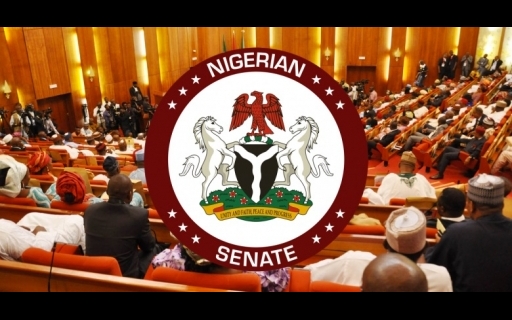
The Nigerian Senate has moved a step closer toward ushering in a new era of clean transportation as lawmakers on Tuesday passed for second reading a bill seeking the gradual phase-out of petrol-powered vehicles in favour of electric mobility across the country.
The landmark bill, sponsored by Senator Orji Uzor Kalu, aims to establish a comprehensive policy and legal framework that will guide Nigeria’s transition from fossil-fuel-dependent vehicles to electric vehicles (EVs). The proposed legislation also seeks to create the National Electric Vehicle Development and Promotion Council, which will be responsible for coordinating implementation across federal and state levels.
According to Kalu, the legislation is timely and crucial for aligning Nigeria with the global shift toward sustainable energy. He emphasised that the bill will not only reduce environmental pollution but also encourage local manufacturing and technological innovation.
“This bill seeks to create a comprehensive legal and institutional framework that will guide Nigeria’s gradual transition from dependence on fossil fuel-powered vehicles to clean, energy-efficient and environmentally-friendly transportation,” he stated.
The senator noted that Nigeria’s transport sector currently contributes between 20 and 30 per cent of national greenhouse gas emissions, stressing that urgent reforms were needed to address climate change and improve public health.
Supporting the bill, Senator Adamu Aliero (Kebbi Central) commended the initiative as a strategic and forward-looking effort, citing progress already recorded in other African nations such as Kenya and South Africa within the electric mobility space.
“Cities like Kano and Lagos suffer heavily from carbon emissions. If we adopt electric vehicles, it will significantly reduce emissions, improve public health, and create jobs,” Aliero said.
Other lawmakers echoed similar sentiments, including Senator Osita Ngwu (Enugu West), who highlighted Nigeria’s demographic and market advantages in contributing to global climate action, while Senator Titus Zam (Benue North-West) emphasised the public health and economic gains of reducing dependence on petrol-powered engines.
Senate President Godswill Akpabio lauded the bill as a “very good innovation,” expressing optimism that the country stands to benefit significantly once the policy framework becomes law.
Following deliberations, the bill was referred to the Senate Committee on Industries, which is expected to present its findings and recommendations within four weeks.
The move marks a major policy milestone in Nigeria’s ongoing efforts to combat climate change, diversify the economy, and modernize its transportation sector at a time when many nations are racing toward carbon-neutral mobility systems.










Leave a Reply